Meet the Empopongi
Beekeeping Cooperative
Ngorongoro, Tanzania
Help 10 Villagers Become Beekeepers
We’re helping the Empopongi Beekeeping Cooperative build new opportunities through beekeeping. With $2,850 we can provide each member with two weeks of hands-on training from expert beekeepers, a locally crafted hardwood beehive, protective gear, and all the essential equipment needed to get started.
Your support will help create opportunities for sustainable income and strengthen the cooperative's future.
Meet the beekeepers below and help us bring this project to life!
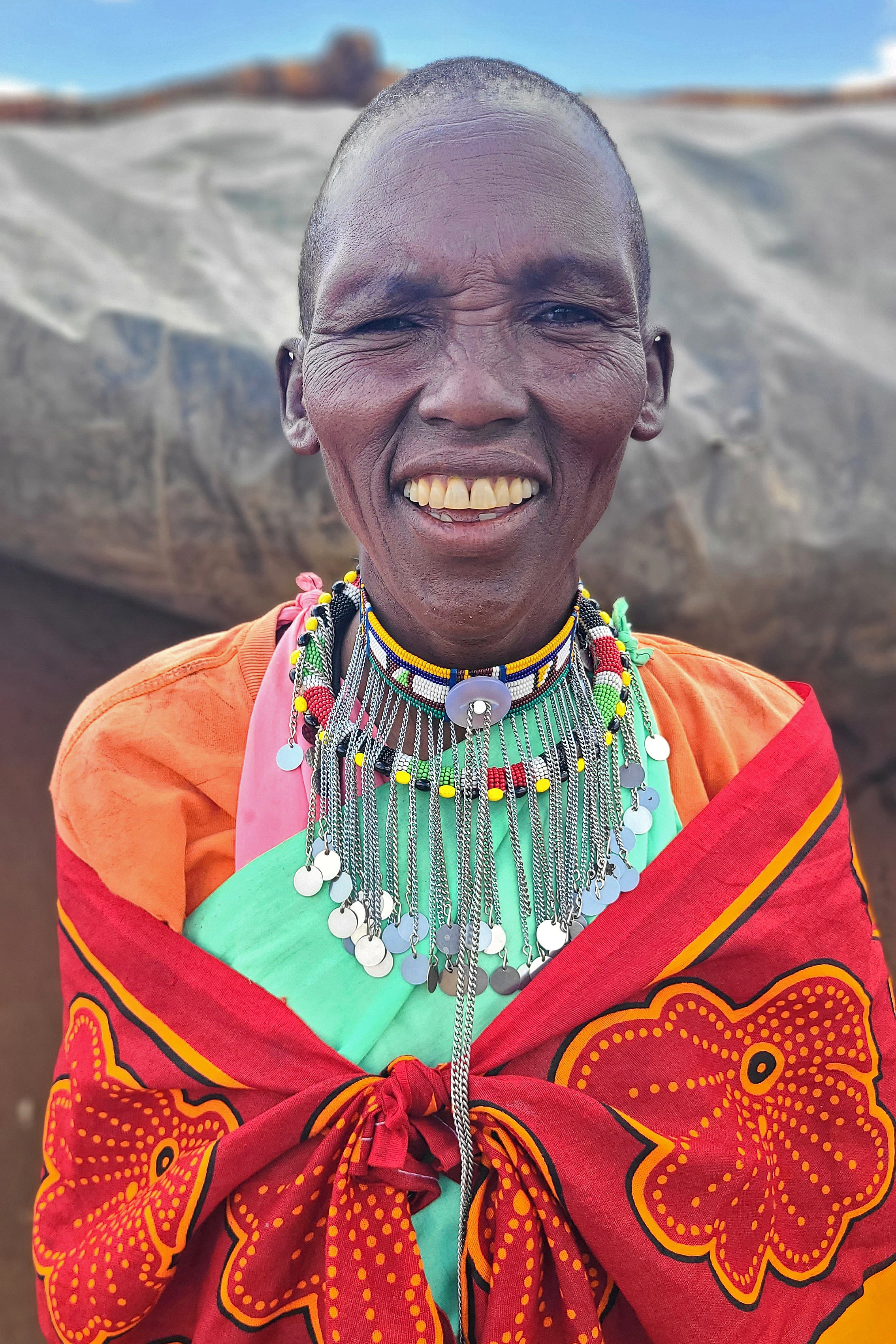
Nalamai Rikoyan
Nalamai lives in Empopongi Sub-village. She is married with eight children (three boys and five girls). Her family keeps three goats and has no cattle.
Her daily activities include caring for livestock, collecting firewood for sale, farming during the rainy season, and building traditional Maasai houses. She also enjoys listening to Maasai music.
Since joining the beekeeping group and experiencing her first honey harvest, Nalamai has recognised the potential of beekeeping to improve her family's livelihood.
Training and Equipment: Training will equip her with practical beekeeping skills, while protective equipment will help her work safely and protect herself from bee stings.
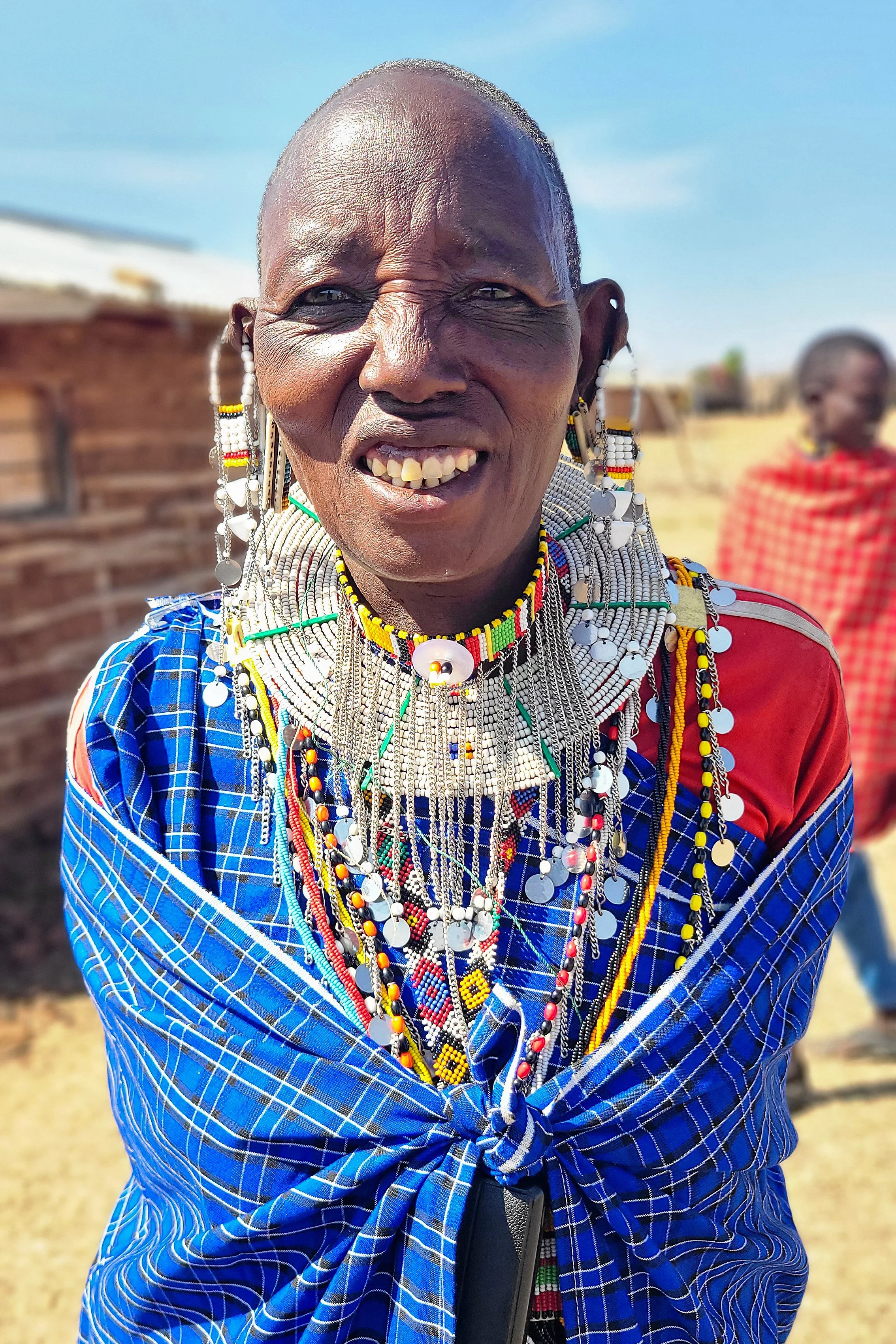
Tomoniki comes lives Empopongi Sub-village. She is married and blessed with 13 children (4 boys and 9 girls), four of whom are married. Her family keeps 2 cows and 3 goats. She supports her family through livestock keeping and a small business selling livestock feed and basic goods such as rice and sugar.
She is also a member of the Naretoi group, where she developed an interest and gained some experience in beekeeping.
Training and Equipment: Beekeeping training and equipment will strengthen her skills and knowledge, while protective gear will help her prevent bee stings, care for her colonies safely and harvest quality honey to improve her family's livelihood.
Tomoniki Yeile
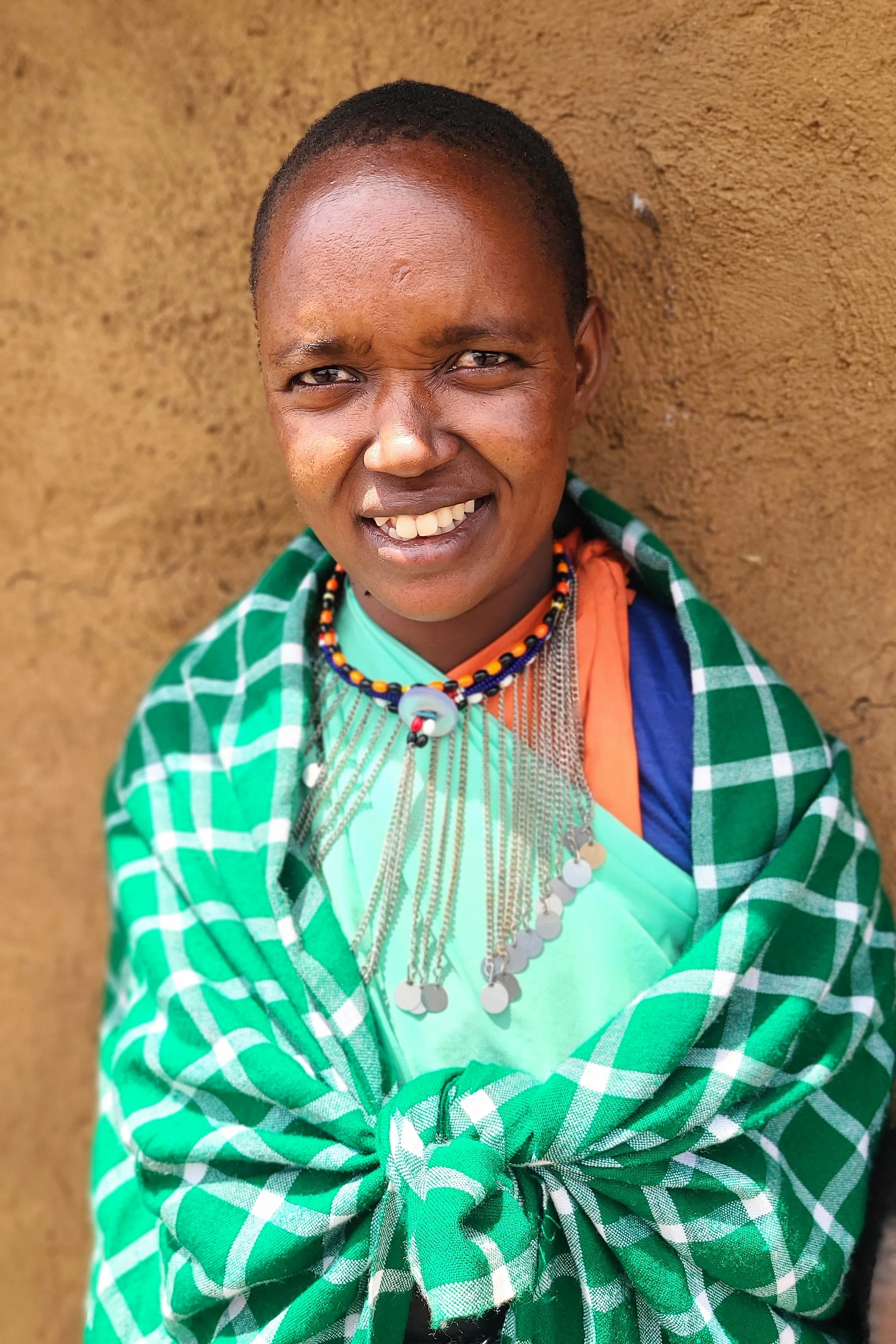
Kibarisho Karia
Kibarisho Karia is a married woman from Empopongi with five children, including two boys and three girls. Her family keeps 5 cattle, 18 sheep and 3 goats.
She supports her family through small-scale businesses, selling rice, sugar and wheat flour. Her daily activities include collecting firewood, fetching water and caring for her livestock.
Her Beekeeping Journey
Kibarisho believes that beekeeping can create new opportunities to improve her family's livelihood. She hopes that the training and equipment will help her produce quality honey, protect herself from bee stings and manage her colonies safely.
Through beekeeping, she looks forward to gaining new skills, increasing her income and building a better future for her family.
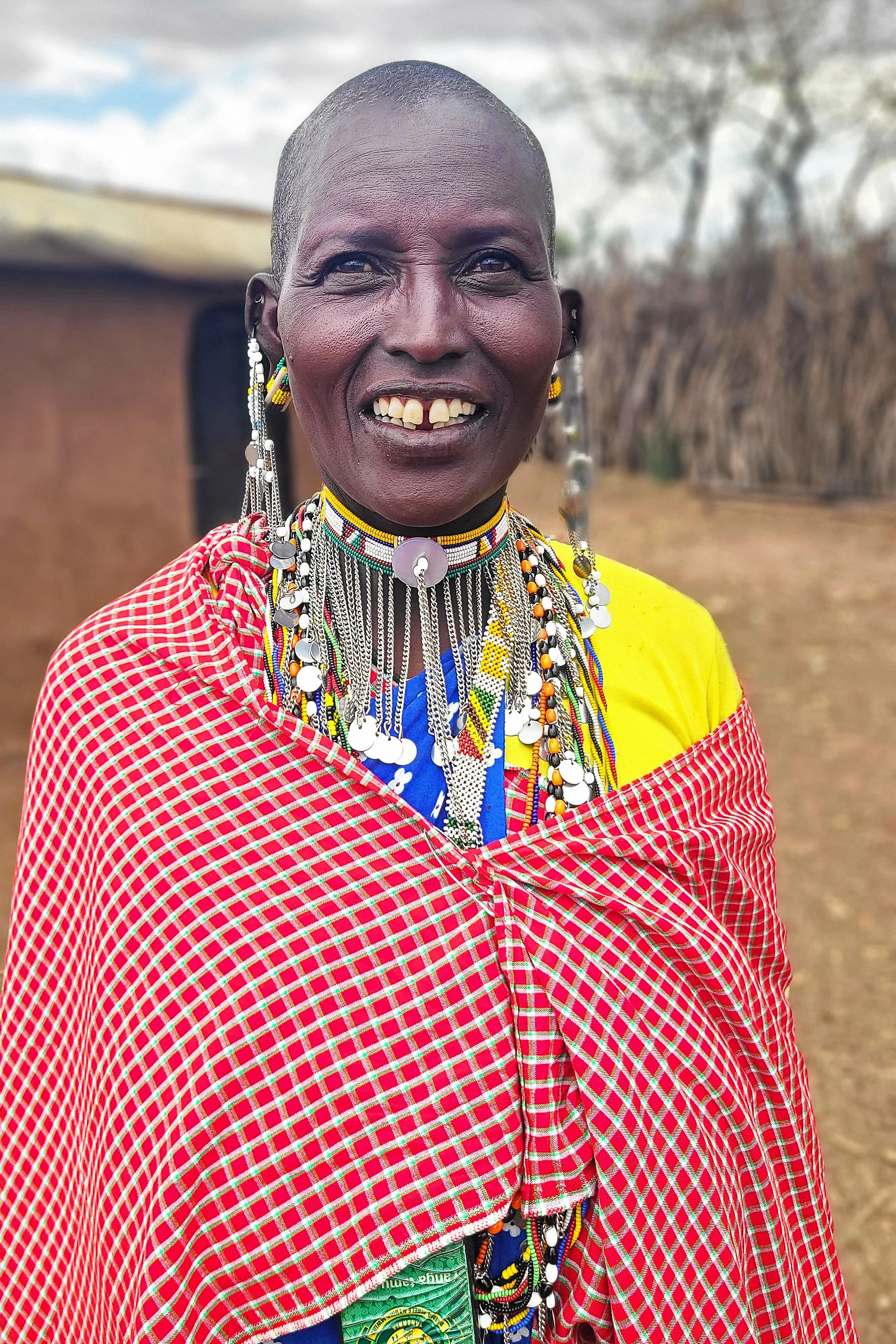
Nanyikai Leina
Nanyikai Leina – Empopongi, Kirtalo Village
Nanyikai Leina is a mother of ten children (six boys and four girls), all attending school. Her family keeps three cows, four chickens, one goat, and four sheep. Besides livestock keeping and beekeeping, she earns an income by selling traditional Maasai shukas. She carries much of the responsibility for supporting her family.
As a member of the Naretoi beekeeping group, Nanyikai has started recognising the potential of beekeeping as an additional source of income. Through honey sales, the project has already benefited her family. However, she lacks the technical skills to develop her beekeeping activities further.
She is excited to receive training, tools, and equipment to improve her beekeeping skills, increase honey production, and generate more income for her family. She looks forward to learning something new and creating better opportunities for her children.
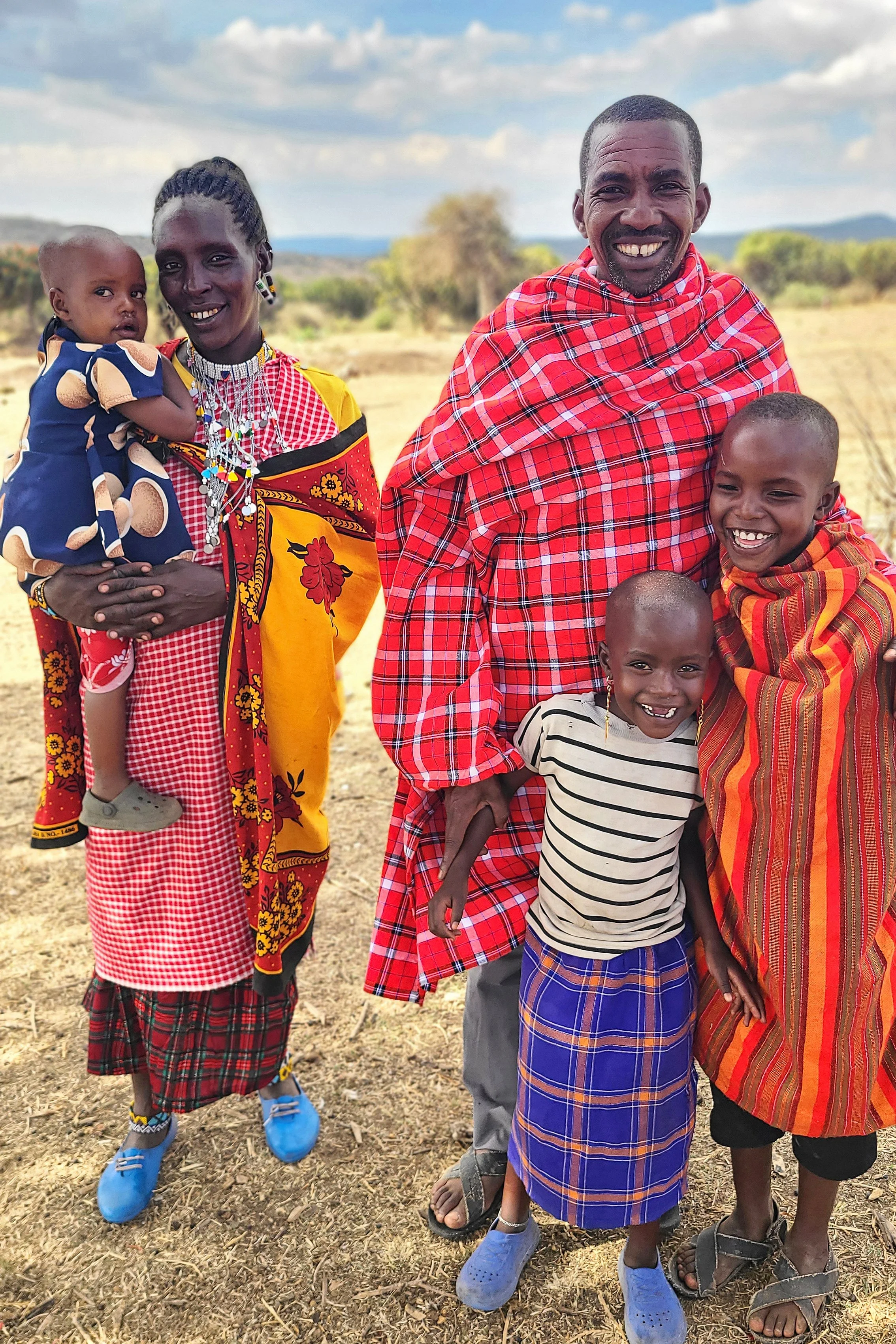
Mathayo Mutarini
Mathayo lives in Empopongi Sub-village, Kirtalo Village. He is married and blessed with six children, two boys and four girls. Four children are attending school, while two are still young. His family owns six cows and 12 goats and sheep combined.
To support his family, Mathayo keeps livestock, practices beekeeping, and runs a small business selling vegetables, potatoes, rice, and sugar. His daily activities include grazing and caring for his livestock.
Mathayo is a passionate local beekeeper who uses traditional log hives to produce and sell honey. He enjoys watching bees move in and out of their hives. Although he has experience in traditional beekeeping, he believes that training and modern beekeeping equipment would help him improve honey production, increase income, and support his family. He hopes to adopt modern beekeeping practices to make his activities more productive and sustainable.
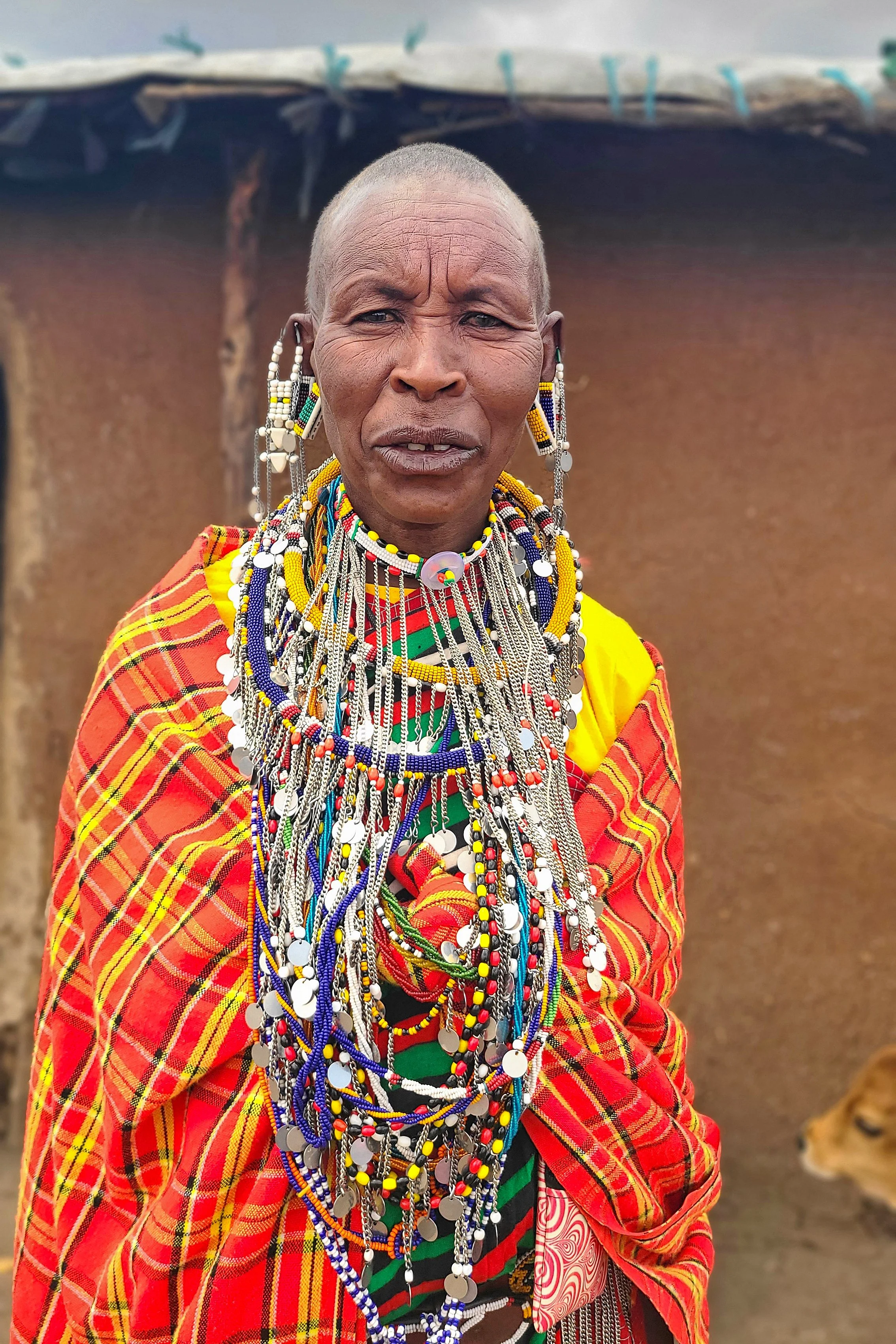
Ndetia Kasaine
Ndetia lives in Empopongi Sub-village, Kirtalo Village. She is married and has eight children three boys and five girls. Three of her daughters are married, three children are in school, while the other two are still young. She owns three cows and one goat. To support her family, Ndetia collects and sells firewood for income. She also enjoys making Maasai beadwork. Ndetia is a member of the Naretoi group, which owns ten top-bar beehives. Her interest in beekeeping grew after the group harvested and sold honey. This experience inspired her to view beekeeping as an opportunity to improve her family’s livelihood. She believes honey can provide income through sales and serve as food for her family.
Ndetia hopes to receive beekeeping training and protective equipment to help her avoid bee stings, protect the bee colonies, and increase honey production. She believes that with the right skills and equipment, beekeeping can become an important source of income and contribute to a better future for her family.
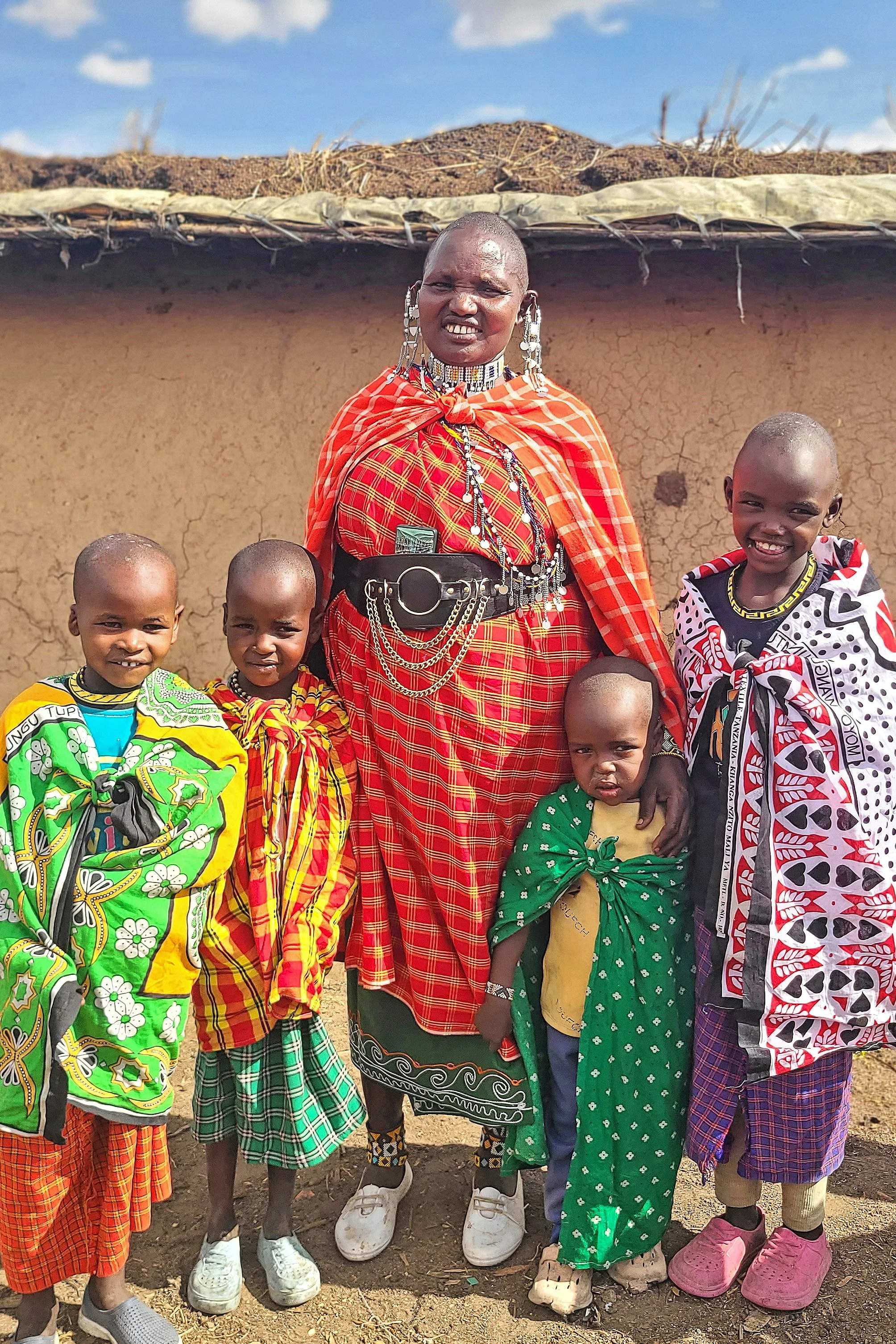
Sambei Mako
Sambey mako lives in Empopongi Sub-village, Kirtalo Village. She is married with 11 children: seven girls and four boys. Her family keeps 20 cattle and about 50 goats and sheep. She also grows maize and builds traditional Maasai houses to earn income.
Sambei is a member of the Naretoi group, which owns 10 beehives but has no prior beekeeping experience. She is interested in learning beekeeping because her husband also keeps bees using traditional log hives. She hopes to gain practical skills and access to equipment to improve honey production and increase her family's income. She enjoys learning new things and is eager to develop her beekeeping knowledge.
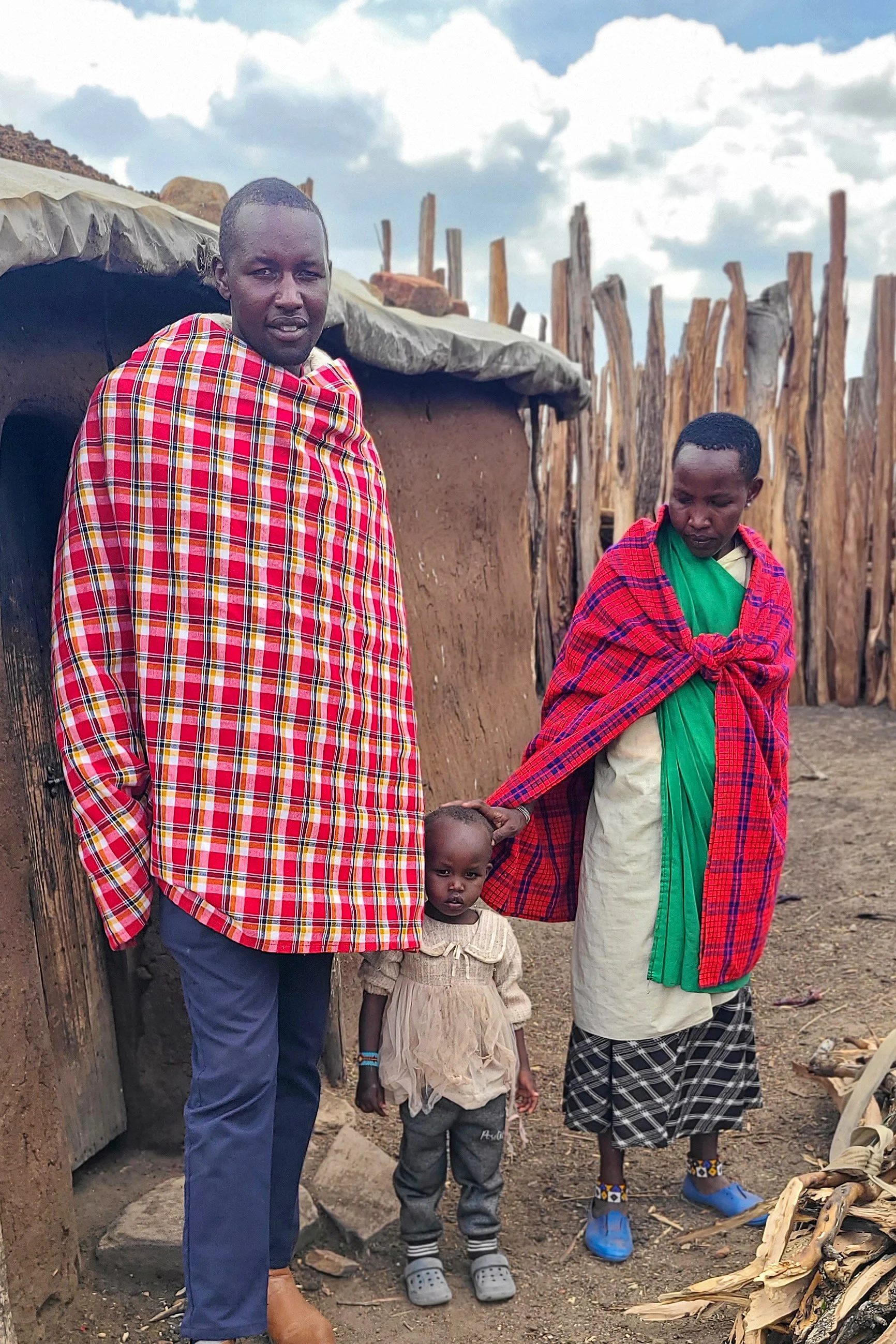
Emanuel Ngotiko
Emanuel comes from Empopongi Sub-village, Kirtalo Village. He is married and has four children: three boys who attend school and one girl who has not yet started school. Ema and his wife work together to care for their family and provide for their children. Together, they keep livestock, practice beekeeping, grow vegetables, and run a small vegetable-selling business in their community.
Emanuel Ngoitiko keeps five cows, ten goats, and sheep, and is a member of the Naretoi Group Cooperative. He enjoys gardening and spends much of his day caring for his animals.
Ema hopes to receive beekeeping training and the right equipment to better care for his bees and increase honey production. He believes these improvements will help him and his wife earn more income, meet their family’s needs, and give their children a better future.
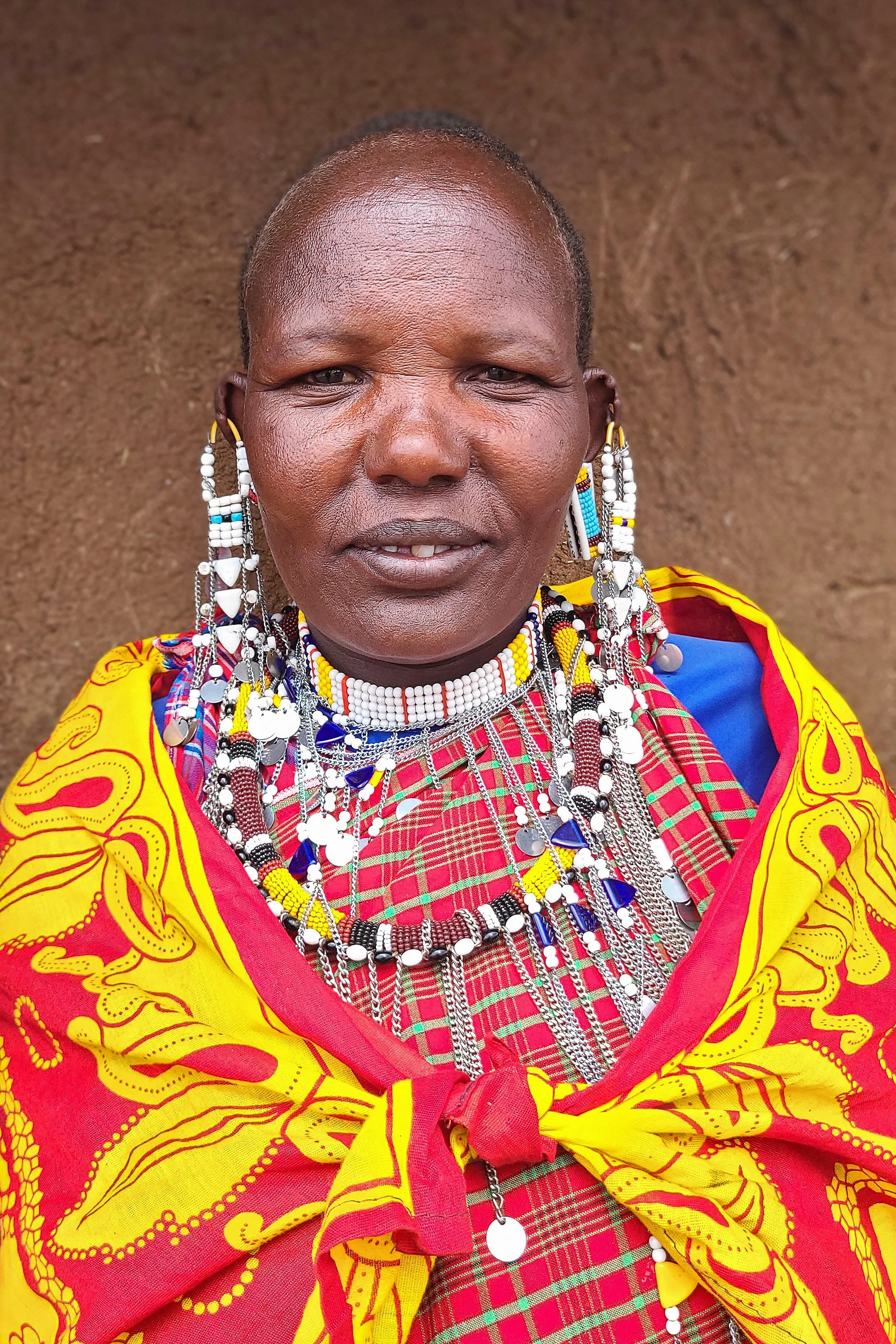
Namuru Nepatao
Namuru lives in Empopongi Sub-village, Kirtalo Village. She is a mother of 13 children, including five whom she adopted after their mother passed away. Three of her children are married, and she also cares for her 98-year-old blind husband. Her daily responsibilities include caring for her family, collecting water and firewood, and tending to her livestock: two cows and five goats. She also enjoys making and selling traditional Maasai beadwork. Although she has no previous beekeeping experience, Namuru has begun learning the practice in hopes of creating an additional source of income. She believes that selling honey could help support her children’s education and meet her family’s needs. With practical training and protective equipment, Namuru hopes to develop the skills and confidence to manage her hives safely, protect the bee colonies, and build a better future for her family.
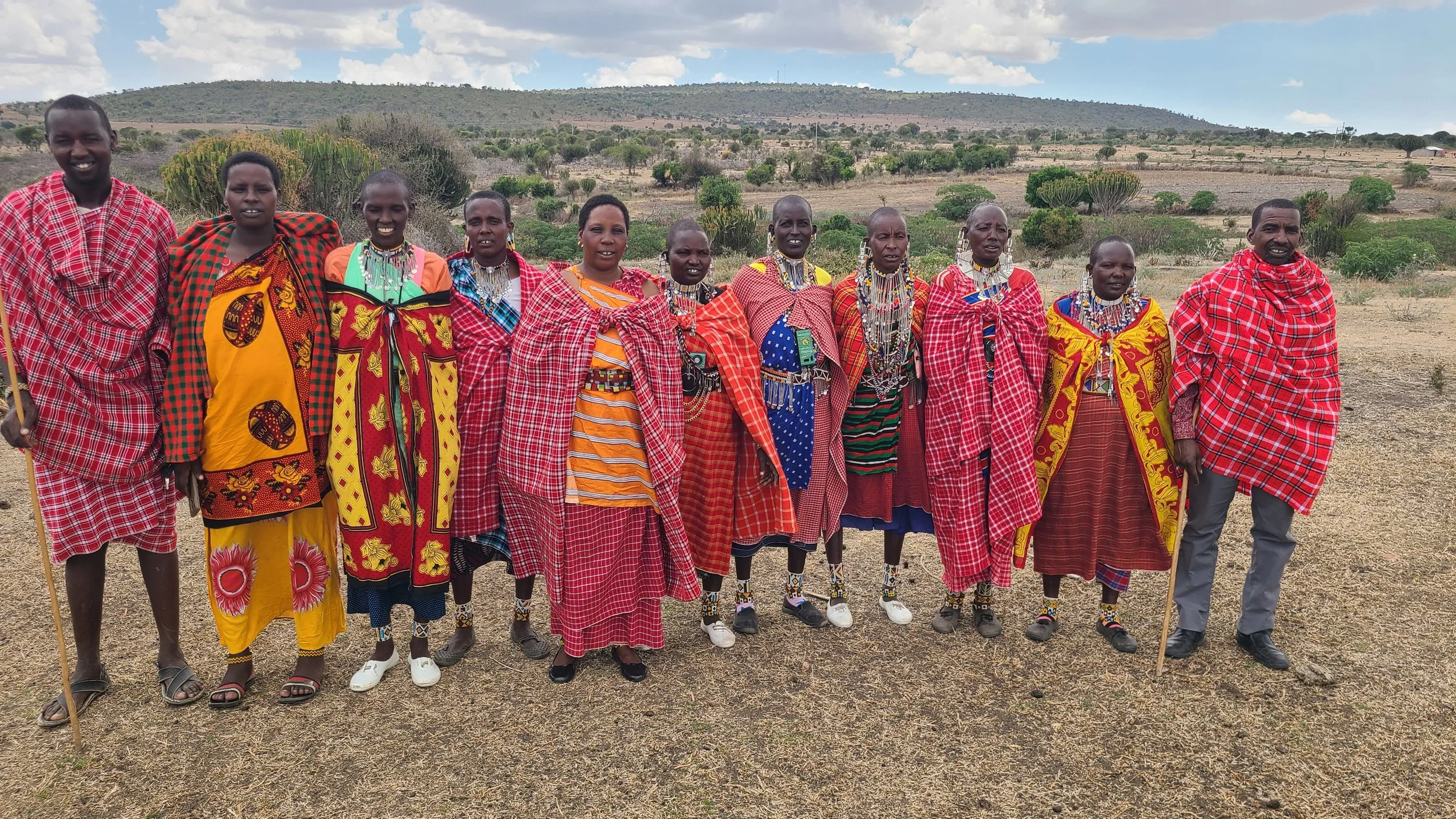
Nadutari Oloodo
Nadutari is from Empopongi Sub-village. She is married and blessed with 10 children: four boys and six girls. Her family keeps five cows, four sheep and three goats.
Besides caring for her family and livestock, Nadutari builds traditional Maasai houses, sells maize and enjoys keeping her home clean and making local houses.
She believes beekeeping will create an opportunity to improve her life and support her family. She is also passionate about beekeeping because she loves honey.
Her Hopes for the Future
Through modern beekeeping training and proper equipment, Nadutari hopes to gain practical skills, protect herself from bee stings, care for her bee colonies and produce honey safely. She sees beekeeping as an opportunity to increase her income and build a better future for her family.
Help Make Their Beekeeping Journey Possible
With your support, we can provide the training, beehives, and equipment these villagers need to get started.
Our goal is to raise $2,850 to equip all 10 beekeepers. Every contribution brings us one step closer!
Join us in supporting the Empopongi Beekeeping Cooperative.